
PRP Hair Restoration
PRP Hair Restoration in Kent, WA
Hair thinning can be gradual enough that you don't notice it at first. Then one day, you see more scalp in a photo, more hair in the shower, or less fullness around your hairline.
At Elevate Medical Center in Kent, WA, PRP hair restoration offers a non-surgical treatment option for certain types of hair thinning and hair loss. The procedure uses platelet-rich plasma prepared from your own blood and delivered to targeted areas of the scalp. Because hair loss can have many causes, treatment begins with understanding your individual situation rather than assuming every type of hair loss should be treated the same way.
What Is Hair Restoration?
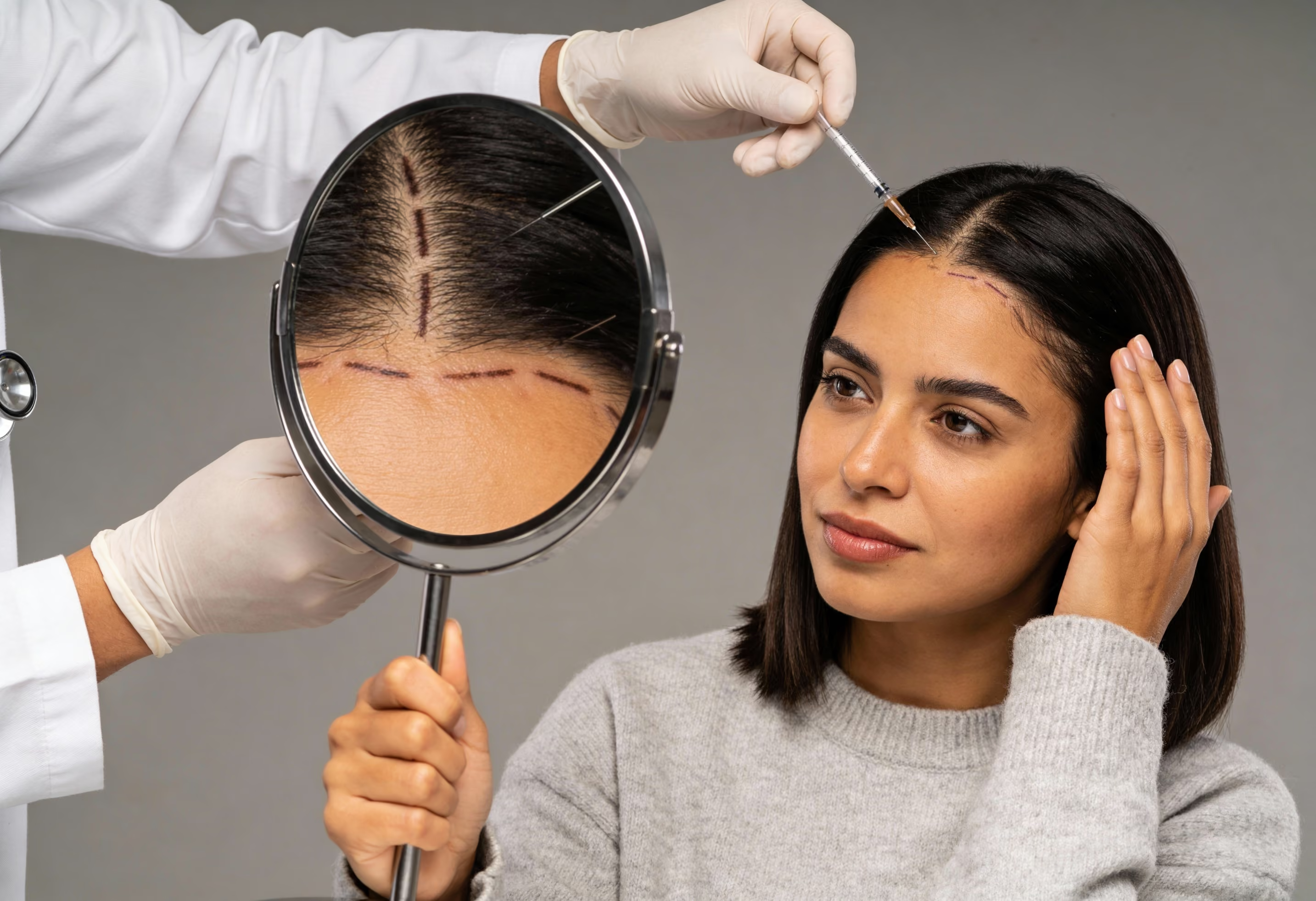
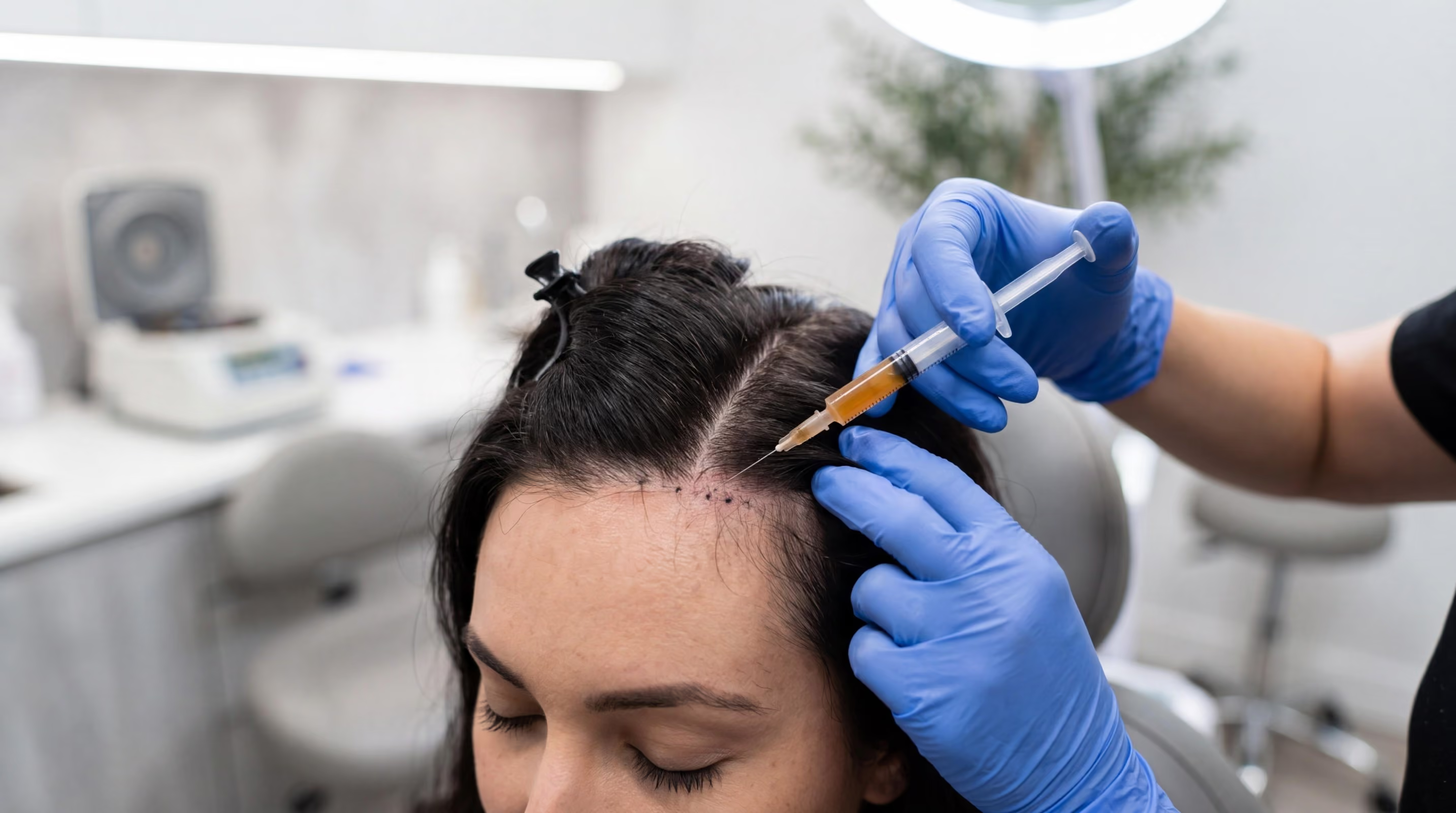
Platelet-rich plasma (PRP) is prepared from a small sample of your own blood. The sample is processed to concentrate platelets and plasma before the resulting preparation is used in the treatment area.
Platelets contain growth factors and other biological components involved in normal tissue repair. In hair restoration, PRP is being studied and used as an adjunctive treatment for certain forms of hair loss, particularly some patterns of hair thinning.
PRP is not a hair transplant and does not create new hair follicles. Its potential role is to support the environment around existing follicles.
How Does PRP Hair Restoration Work?
A typical PRP hair restoration appointment involves three main steps:
A small amount of blood is drawn, usually from your arm.
The sample is processed to separate and concentrate the desired blood components.
The prepared PRP is applied or injected into selected areas of the scalp according to your treatment plan.
The objective is to deliver concentrated platelets to areas being treated while allowing your body's normal biological processes to take place.
Who May Be a Candidate for PRP Hair Restoration?
PRP may be considered for adults experiencing certain types of hair thinning or loss. It may be particularly relevant when there are still viable hair follicles in the affected areas.
However, not all hair loss responds to the same treatment.
Hair shedding or thinning can be associated with genetics, hormonal changes, nutritional factors, certain medications, medical conditions, stress, and other causes. A medical evaluation can help determine whether PRP is appropriate and whether additional evaluation or treatment should be considered.

What to Expect From Your PRP Hair Restoration Plan
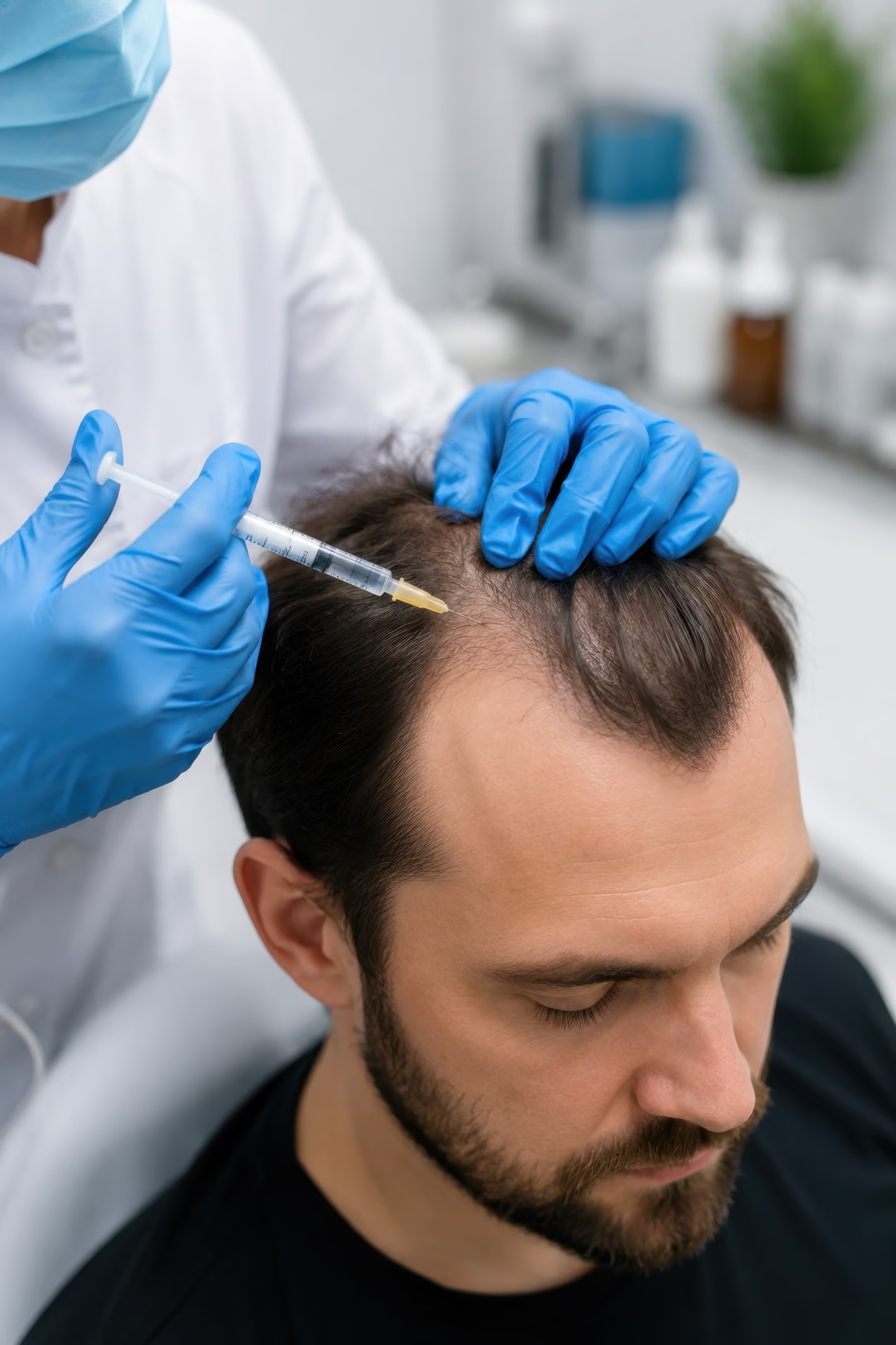
Your treatment plan depends on your individual hair loss pattern, goals, and response to treatment.
During your consultation, your provider can discuss:
- The pattern and extent of your hair thinning
- Your medical and hair-loss history
- Current medications and supplements
- Whether PRP is an appropriate option
- The expected number and timing of treatments
- Potential risks and side effects
- Other hair-restoration options
Some patients receive a series of treatments rather than a single session. The appropriate schedule varies, so your provider can recommend a plan based on your individual circumstances.
When Will You See Changes?
Hair grows through different phases, so changes in hair density or appearance do not happen immediately.
If PRP is appropriate for you, your provider can explain when changes may reasonably be assessed. Individual responses vary, and PRP does not guarantee hair regrowth or a particular degree of improvement. Follow-up appointments can help evaluate your response and determine whether additional treatment may be appropriate.
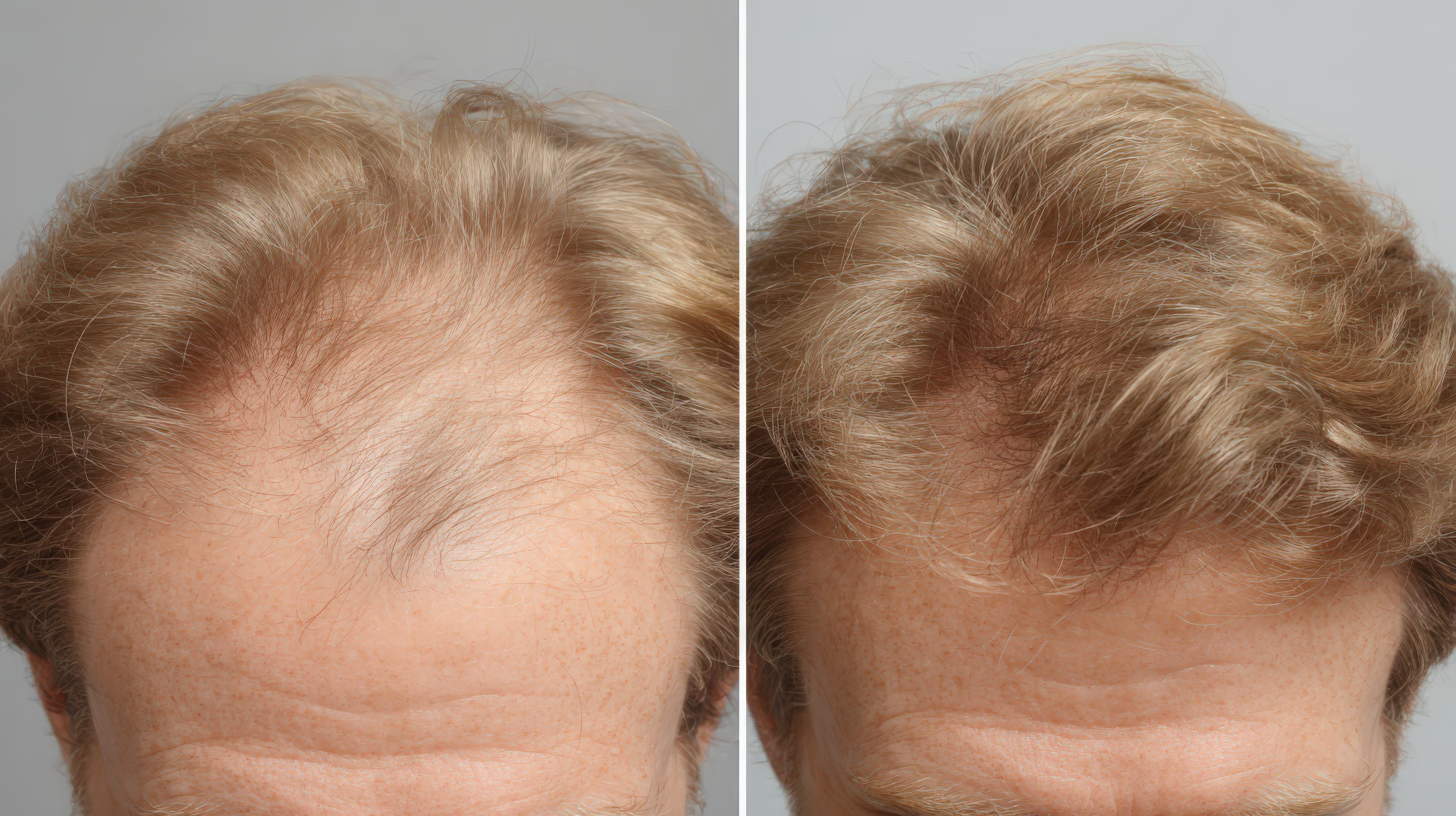
PRP for Men and Women
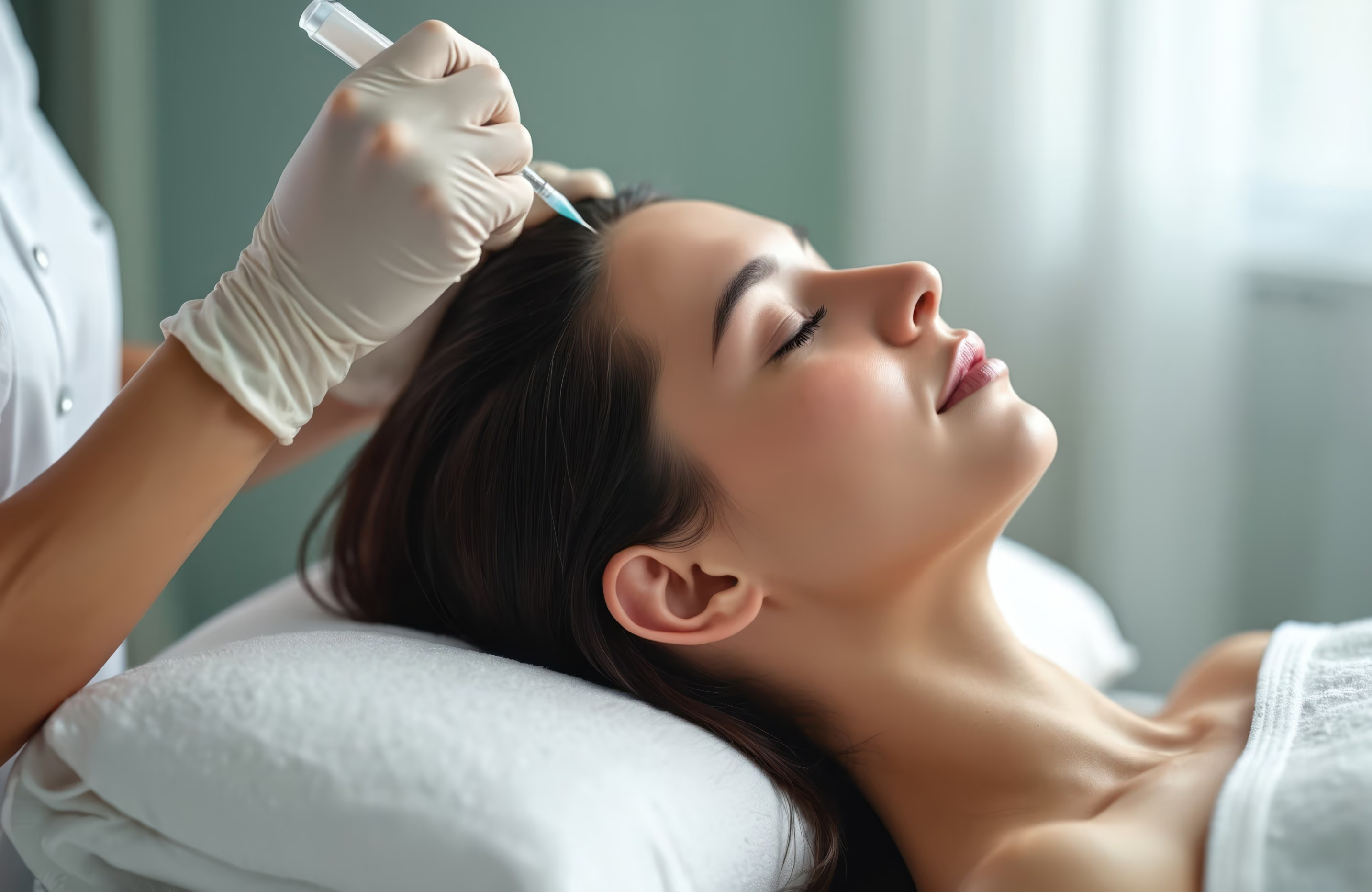
Hair thinning affects both men and women, although the patterns and potential causes can differ.
For some patients, PRP may be considered as part of a broader approach to hair restoration. Your provider can discuss whether your pattern of hair loss is consistent with a condition that may benefit from PRP and whether other treatments should also be considered.
Why Choose Elevate Medical Center for PRP Hair Restoration?
At Elevate Medical Center, hair restoration begins with understanding the reason for your concern.
Rather than treating every patient with the same protocol, your provider considers your history, hair-loss pattern, treatment goals, and overall health when discussing PRP.
You can expect a conversation about:
- Whether PRP is appropriate for your situation
- What the treatment involves
- Realistic expectations
- Potential risks and side effects
- Treatment frequency and follow-up
- Alternative or complementary approaches
This helps you make an informed decision before beginning treatment.
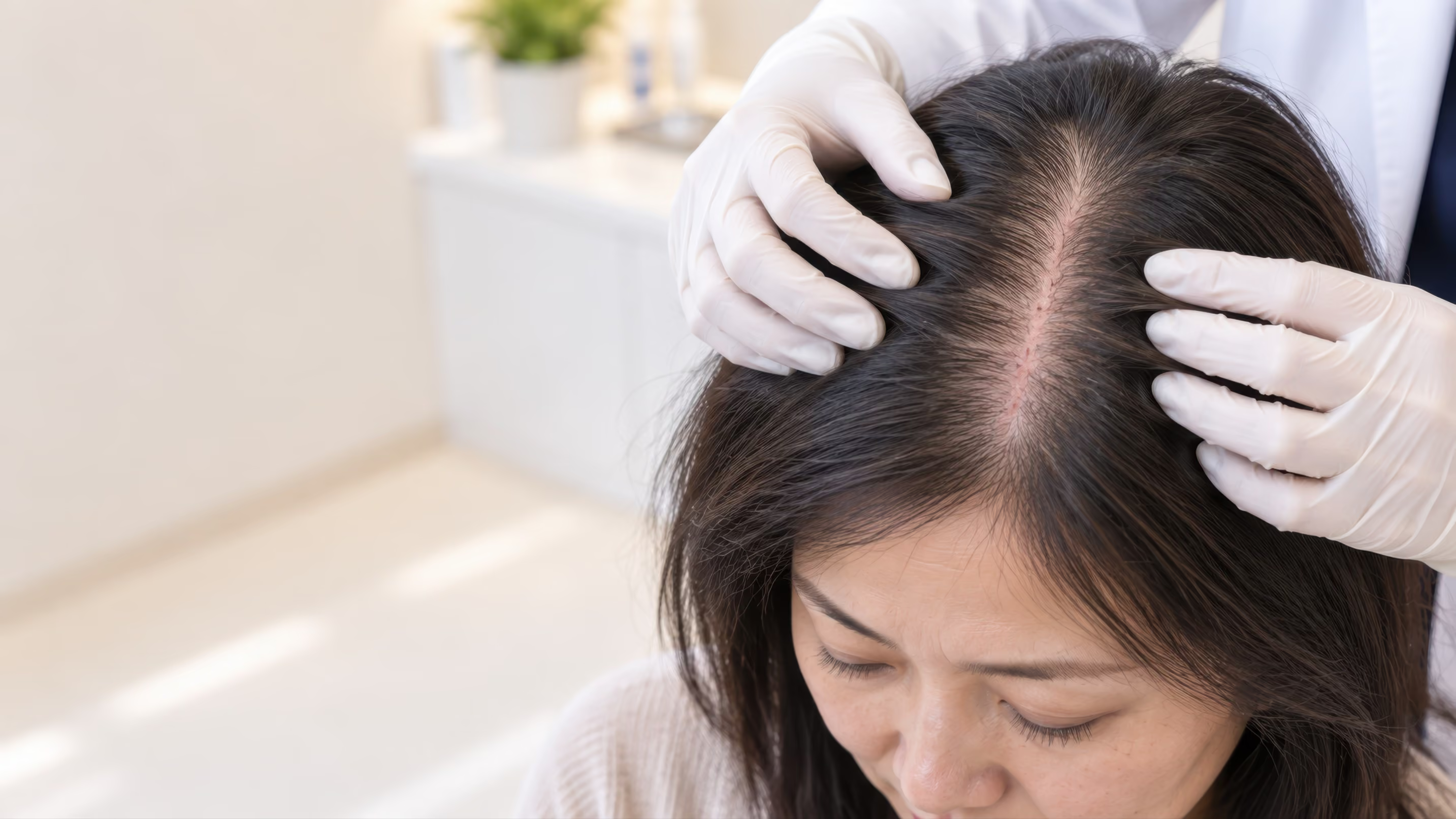
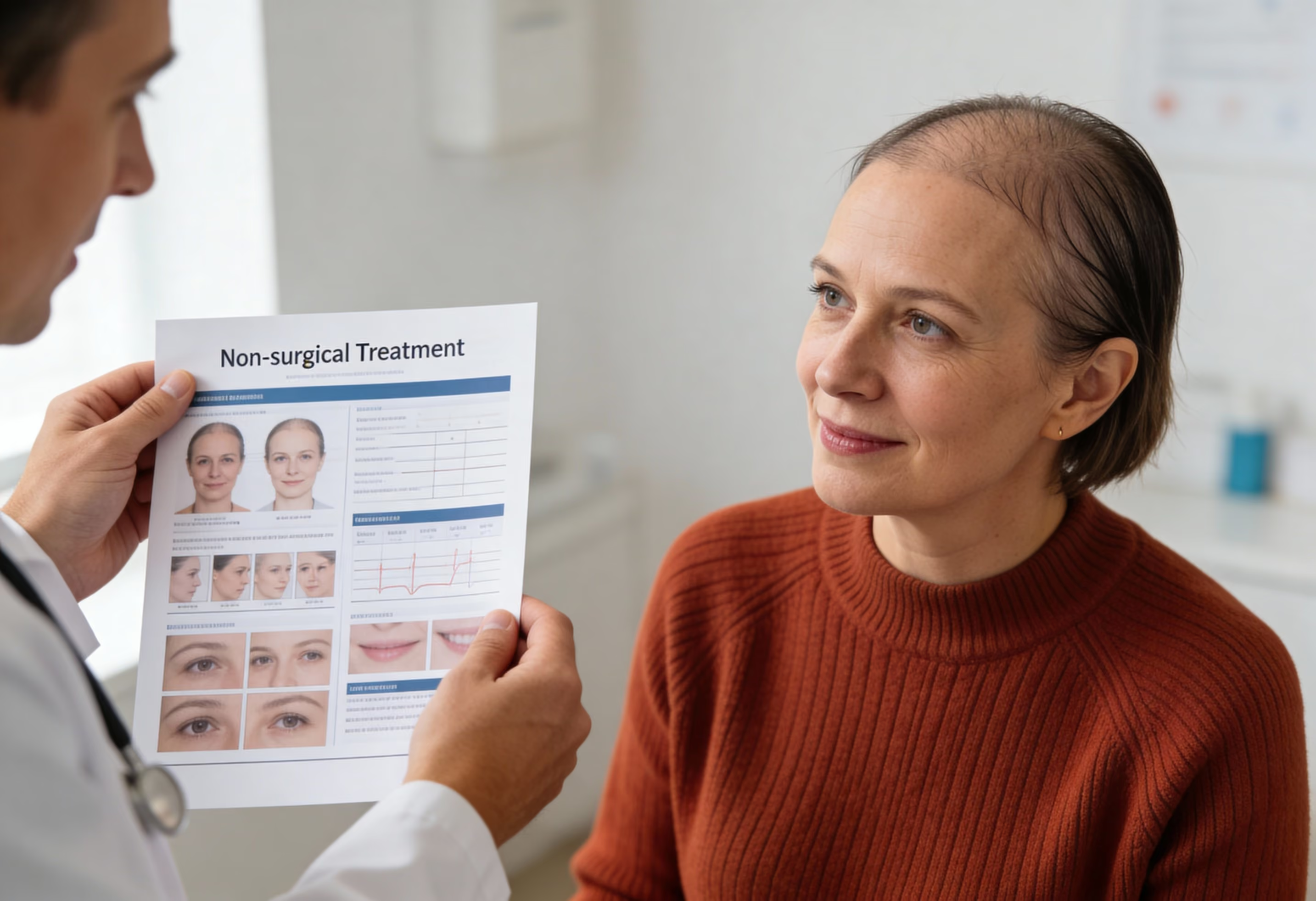
PRP Hair Restoration Near Auburn & Renton, WA
Elevate Medical Center provides PRP hair restoration in Kent, Washington, serving patients from nearby communities including Auburn and Renton.
If you're experiencing hair thinning and aren't sure whether PRP, another treatment, or further evaluation is appropriate, a consultation can help clarify your options.
Start Your Hair Restoration Consultation in Kent, WA
If you're noticing changes in your hair, you don't have to guess at the cause or choose a treatment based on a generic protocol.
At Elevate Medical Center, your consultation gives you an opportunity to discuss your hair loss, learn whether PRP may be appropriate, and understand what other options may be available.
Frequently Asked Questions About Our Aesthetic Services
Still have questions?
Our team is here to help. Get in touch for personalized answers.

Personalized aesthetic, medical, and wellness care designed to help you look well, feel well, and live well.
Office Timings


