
Published On
July 23, 2026
Written By
Dr. Ravneet Purewal-Nahal, DNP, FNP-C
What Is Under-Eye PRP?
PRP stands for Platelet-Rich Plasma. It's an injectable treatment derived from a small sample of your own blood. According to a 2024 review published in Skin Research and Technology (Wiley), PRP is an autologous biological product, meaning it comes from your own body. It doesn't contain synthetic ingredients or foreign substances, although the risk of an allergic reaction is not entirely eliminated in every treatment scenario.
Here's what the process looks like:
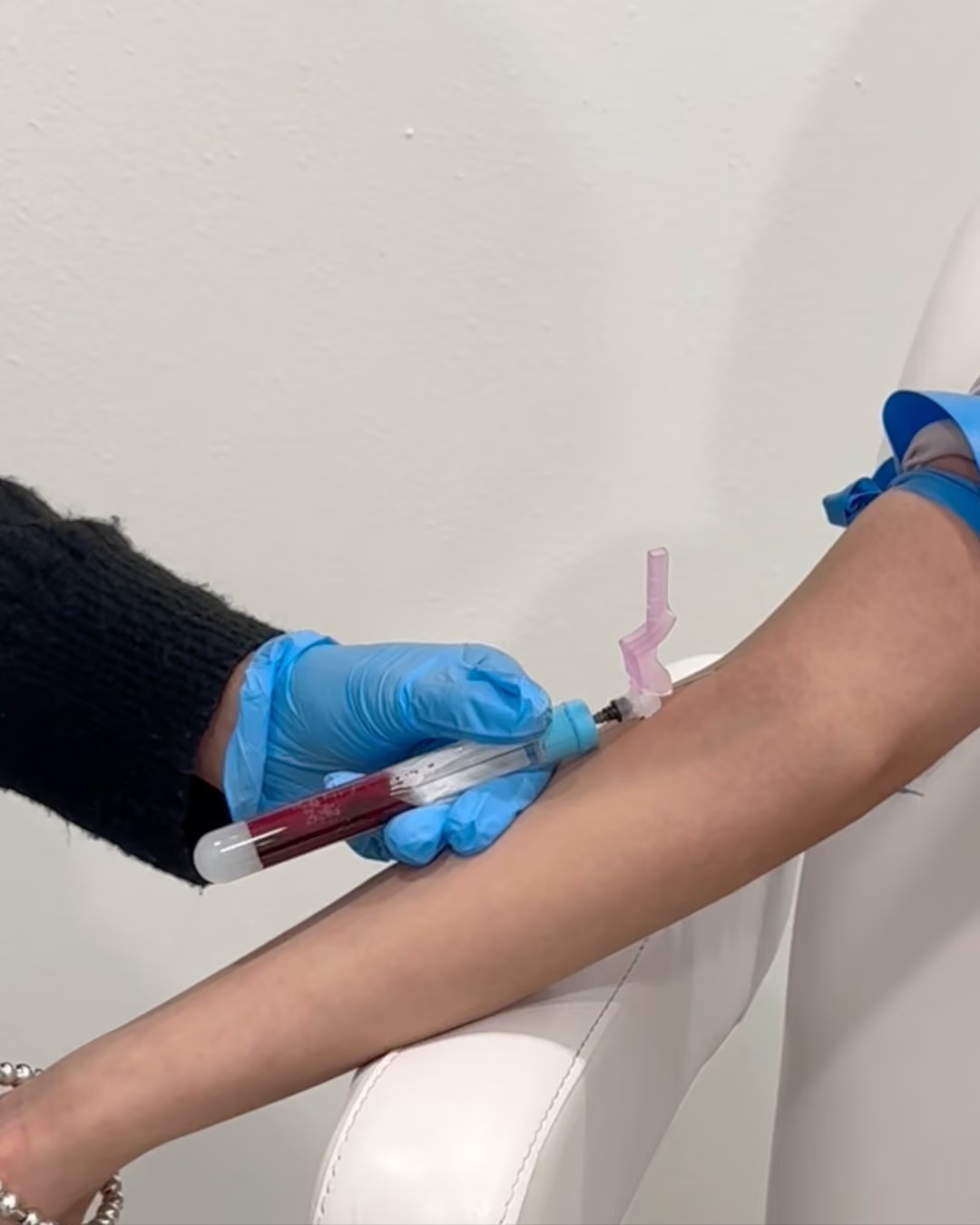
- A small amount of blood is drawn, similar to a routine lab test.
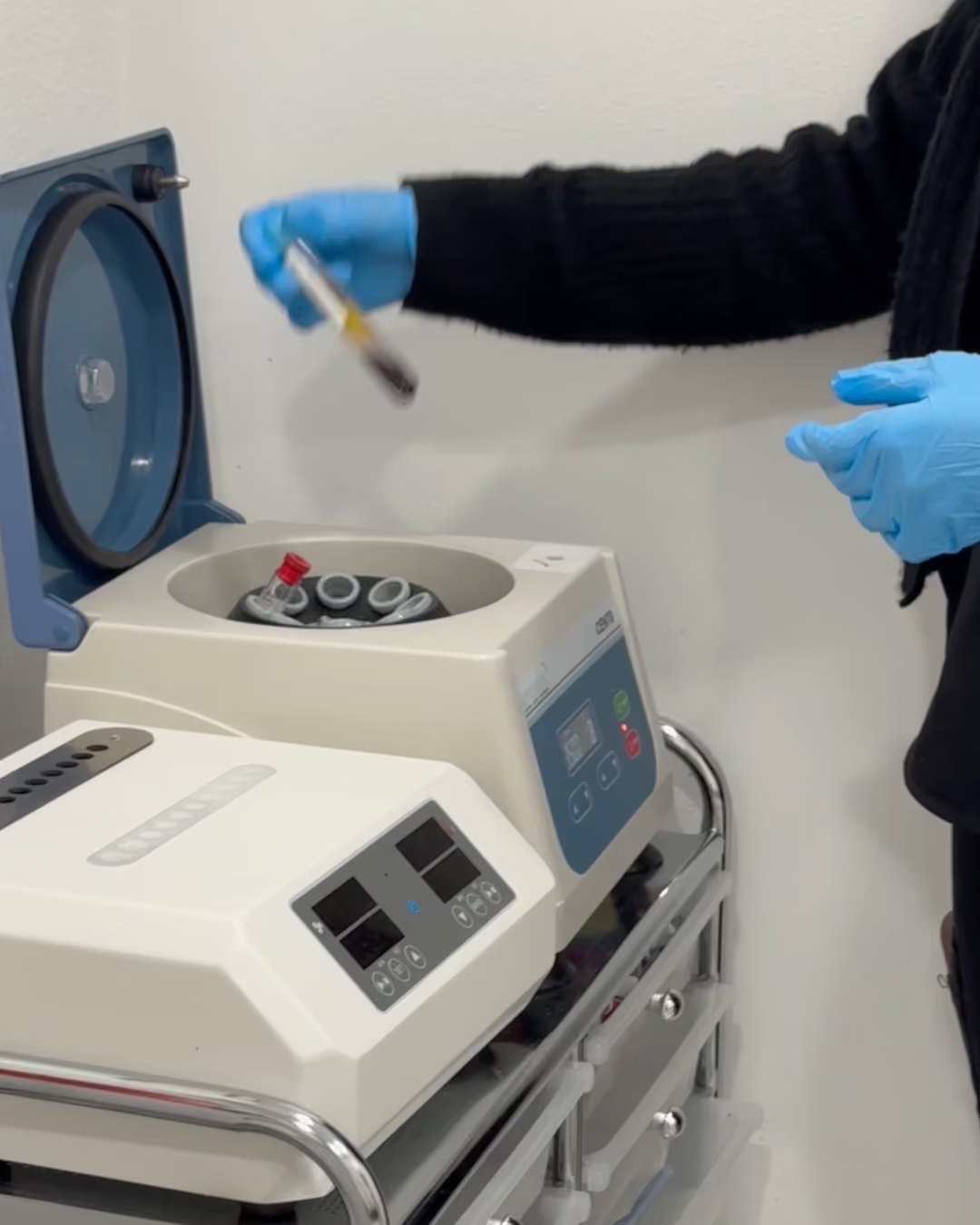
- The sample is placed in a centrifuge, which spins at high speed to separate the blood into its components.
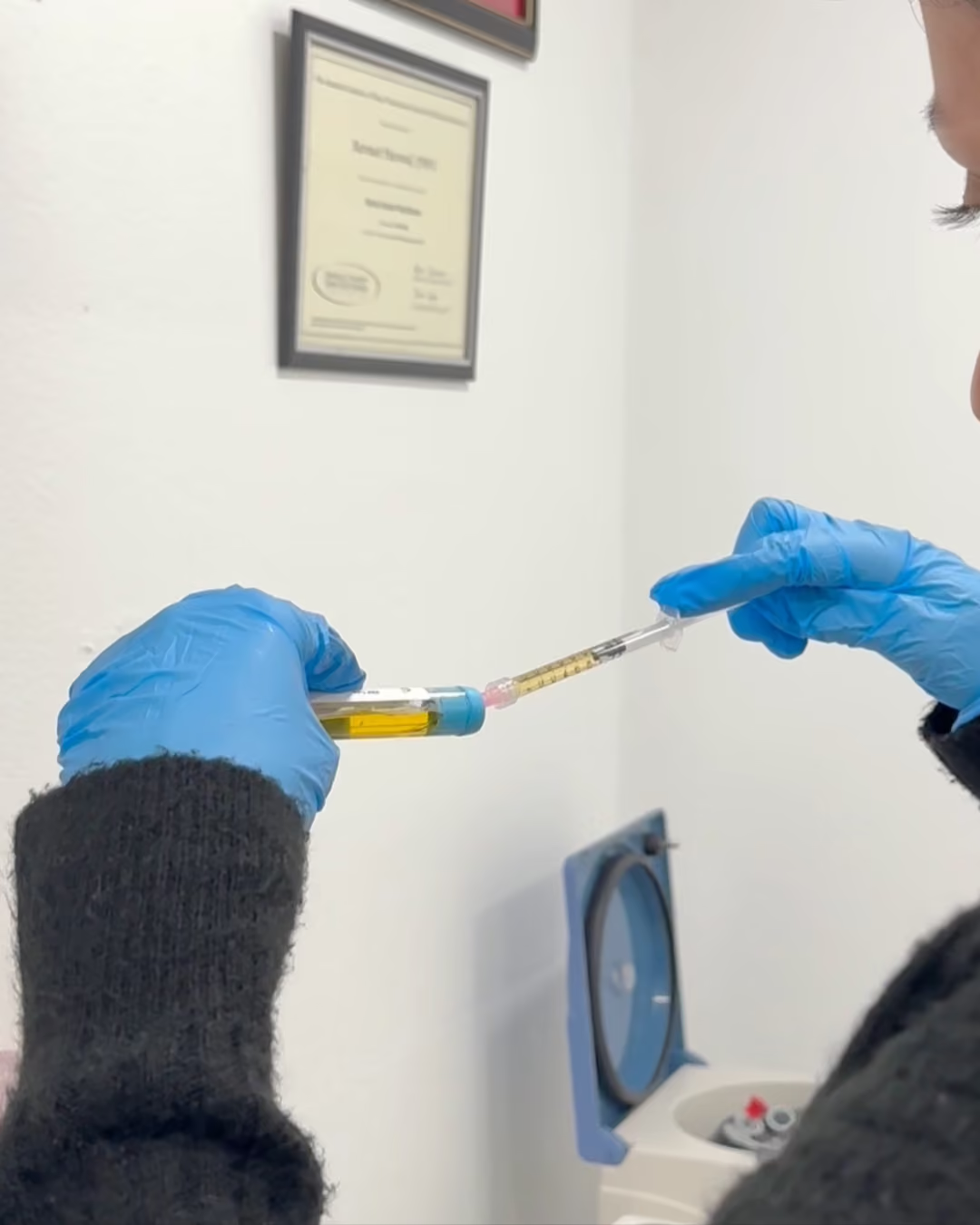
- The platelet-rich layer is isolated and collected.
- The concentrated plasma is injected into the under-eye area using fine needles.
The result is a solution that can contain platelets at roughly 3 to 5 times their normal concentration in the bloodstream, depending on the preparation method. According to practitioners at Midwest Medical Weight Loss and Aesthetics, these platelets carry growth factors, which are proteins your body uses to support tissue repair, collagen production, and cellular regeneration.
Why the Under-Eye Area Ages the Way It Does
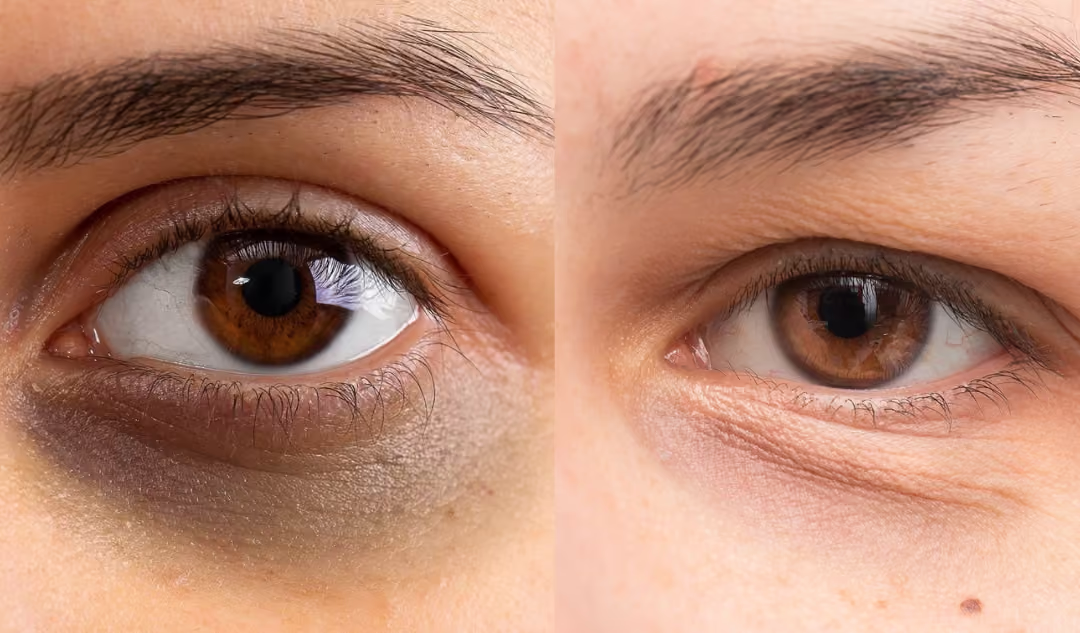
Understanding why the under-eyes look tired helps explain why PRP may be considered as a treatment. Collagen production begins to decline around age 25 at roughly 1% per year. In most parts of the face, that decline is gradual enough to go unnoticed for years.
Under the eyes, however, the effects can be more noticeable. The skin there has:
- Very little subcutaneous fat to cushion the dermal matrix.
- Fewer oil glands to help maintain hydration and barrier function.
- Constant mechanical stress from roughly 10,000 blinks per day, along with squinting and facial expressions.
- High UV exposure, with relatively little structural support to buffer the damage.
Research published by OneSkin notes that the stratum corneum, the outermost skin layer, around the eyes averages just three layers thick, compared with 15 or more layers elsewhere on the body. This is one reason dark circles aren't always caused by pigmentation. In some cases, visible blood vessels or hollows beneath the skin contribute to their appearance.
The cumulative result can include crepey texture, a dull tone, hollows that create shadows, and a persistent tired appearance that doesn't necessarily go away with rest.
How PRP Works on the Under-Eye Area
PRP doesn't fill the under-eye area the way a filler does. Instead, it works at the cellular level, potentially encouraging the skin to repair and rebuild from within.
The key components are the growth factors found in platelets. Research from Midwest Medical identifies several relevant growth factors:
- Platelet-Derived Growth Factor (PDGF): Activates fibroblasts, the cells responsible for producing collagen and elastin.
- Transforming Growth Factor-Beta (TGF-β): Promotes collagen synthesis and helps regulate inflammation.
- Insulin-Like Growth Factor-1 (IGF-1): Supports cell proliferation and helps maintain skin structure.
- Vascular Endothelial Growth Factor (VEGF): Stimulates new blood vessel formation, potentially supporting circulation and nutrient delivery to skin cells.
When these growth factors are introduced into the under-eye tissue, they may stimulate fibroblast activity. A peer-reviewed study in the Journal of Cosmetic Dermatology found that PRP injections into the tear trough and periorbital area produced a statistically significant improvement in infraorbital color homogeneity, which refers to the evenness of the under-eye area's color and tone.
A descriptive study tracking 76 patients treated for infraorbital dark circles found successful outcomes in 81.6% of cases, with high patient satisfaction and no major side effects reported in the study.
Over time, although the process takes patience, PRP may support collagen remodeling and improvements in skin texture and tone. The skin's appearance may become smoother and more even, potentially helping the under-eye area look less tired.
PRP vs. Filler: Why It's Not Always the Same Question
Tear trough filler gets a lot of attention, and for some patients, it may be the right option. However, the two treatments address different concerns, and understanding that distinction matters.
Hyaluronic acid filler adds volume to a hollow. It works quickly, sometimes within the same appointment. A board-certified oculoplastic surgeon quoted by RealSelf estimated that only around 30% of patients who request tear trough filler are actually good candidates for it. The under-eye area is one of the more technically complex areas of the face because of its thin skin, proximity to blood vessels, and tendency to show puffiness when overfilled.
PRP takes a different approach:
- It doesn't add volume directly. Instead, it may encourage the skin to produce more of its own collagen and supporting structures.
- It may address texture and tone. PRP is intended to support skin quality rather than replace lost volume.
- Its results develop gradually. Improvements tend to emerge over time rather than creating an immediate change in facial volume.
- It may be suitable for patients who aren't good filler candidates. Thin skin, mild-to-moderate changes, crepey texture, and dark circles associated with visible blood vessels may be concerns for which PRP is considered.
GOTOX Aesthetics notes that if the primary concerns are dark circles, fine lines, or skin thinness rather than significant volume loss, PRP may be a better-matched treatment. The two treatments may also be combined in selected cases, with filler addressing deeper hollows and PRP targeting skin quality over time.
Who Is a Good Candidate for Under-Eye PRP?
PRP under the eyes is not a universal solution, and it may be most appropriate for certain concerns.
Good candidates typically have:
- Mild-to-moderate under-eye changes, such as crepey texture, dullness, slight hollowing, or uneven tone.
- Dark circles that may be associated with visible blood vessels or structural changes beneath the skin rather than heavy pigmentation.
- A preference for gradual, natural-looking improvement rather than an immediate transformation.
- Realistic expectations about treatment timelines, as this may involve multiple sessions over several weeks or months.
- Good general health and no active infection at the treatment site.
PRP may not be the right fit if:
- The main concern is significant volume loss that requires structural filling.
- The patient wants immediate, visible results from a single session.
- Dark circles are caused primarily by deep pigmentation rather than structural changes.
A consultation with a trained provider can help determine which category applies to you. Under-eye anatomy varies considerably between patients, and the most appropriate treatment plan depends on an individualized assessment.
What to Expect: The Realistic Timeline
This is an important consideration before committing to treatment.
Under-eye PRP is not typically a one-session fix. Many treatment plans involve a series of 3 to 4 sessions spaced several weeks apart, although the recommended number varies by patient. After each session, minor swelling or bruising may occur and generally resolves within a few days. The treatment itself is relatively quick, typically taking 30 to 45 minutes from blood draw to injection.
The timeline for results may look like this:
- Weeks 1–4: Growth factors may begin stimulating fibroblast activity, although visible changes may be minimal.
- Weeks 4–8: Early collagen remodeling may occur. Some patients notice subtle improvements in skin texture.
- Months 2–4: Further improvements in skin quality, tone, and under-eye appearance may become noticeable.
- Months 4–6: Additional changes may develop as the skin's remodeling process continues.
A clinical study tracking nine patients over a minimum of nine months following three PRP sessions found measurable improvements in satisfaction with facial appearance, skin quality, and psychological function using validated patient-reported outcome instruments.
The goal isn't necessarily a dramatic before-and-after transformation. Instead, the aim is gradual improvement that may leave the under-eye area looking healthier and more refreshed.
Key Takeaways
- Under-eye PRP uses concentrated platelets and growth factors from your own blood to support collagen production and skin repair in the tear trough area.
- The skin around the eyes is particularly thin, which can make signs of aging more noticeable.
- PRP does not directly fill the area. It may help improve skin quality, texture, and tone over time.
- It may be considered for mild-to-moderate concerns, including crepey texture, dullness, certain types of dark circles, and fine lines.
- Results are gradual. Many treatment plans involve a series of 3 to 4 sessions over several months.
- PRP and filler are not interchangeable. They address different concerns, and the appropriate choice depends on the underlying cause of your under-eye concerns.
- A consultation with a trained provider is important to assess candidacy and develop an appropriate treatment plan.
Frequently Asked Questions
Conclusion
Looking tired when you're not is one of the more frustrating effects of changes in the under-eye area. These changes can be gradual and structural, and additional sleep may not fully address them once collagen loss and other skin changes have occurred.
Under-eye PRP won't provide results overnight, and it won't replace lost volume the way a filler does. For suitable patients with realistic expectations, it may help support the skin's natural repair processes over time.
If your under-eyes have been bothering you and you're curious whether PRP may be appropriate for your anatomy and concerns, the next step is a conversation with a provider who can assess your situation directly.
At Elevate Medical Center in Kent, WA, our team can walk you through your options and help you understand which approach may make the most sense for you. Book a consultation to discuss your goals and treatment options.

.svg)
.svg)
.svg)
