
Published On
January 28, 2026
Written By
Dr. Ravneet Purewal-Nahal, DNP, FNP-C
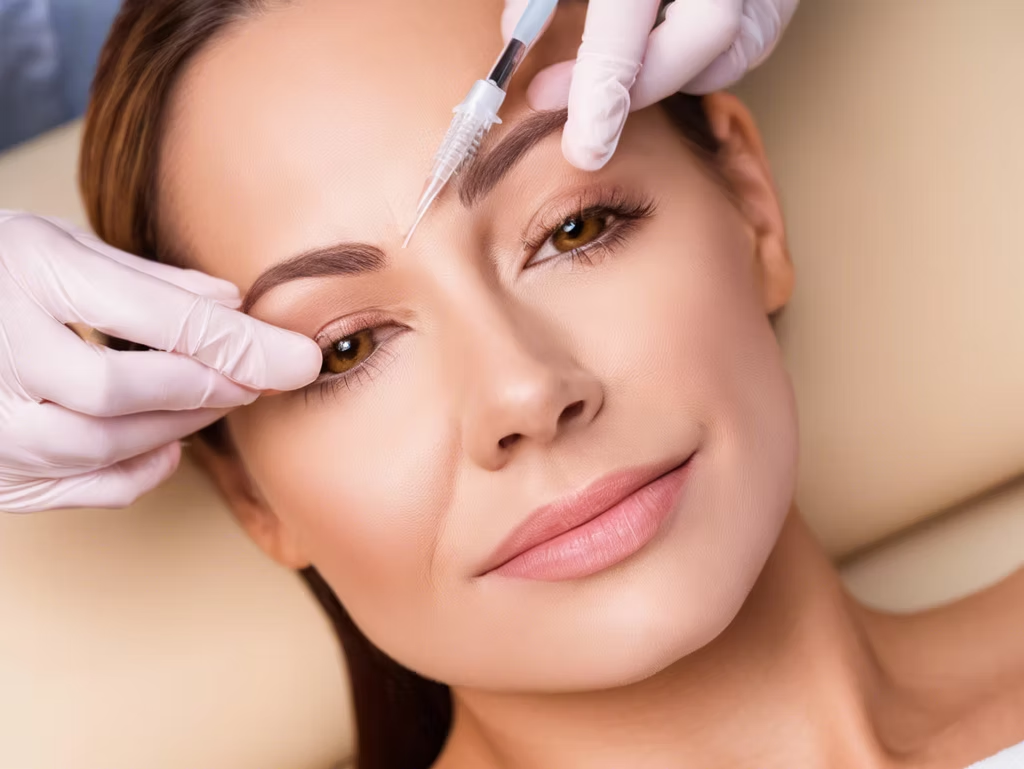
Are you considering Botox for the first time? You’re not alone! At Elevate Medical Center in the Seattle, Washington, area, we help clients understand their options and learn what to expect before their first treatment. This beginner’s guide answers common questions so you can make an informed decision.

1. Botox Isn’t Just for Wrinkles
Botox Cosmetic is widely known for temporarily improving the appearance of certain facial lines, but botulinum toxin products also have medical uses. Depending on the specific product and indication, they may be used to treat conditions such as chronic migraines, severe underarm sweating, and certain muscle disorders.
Some uses, including treatment for temporomandibular joint (TMJ) concerns, may be off-label. An off-label use is one that has not been specifically approved by the FDA for that indication. Whether treatment is appropriate depends on the condition, available evidence, and an individual's medical history.
2. Botox Is FDA-Approved for Specific Uses
BOTOX Cosmetic is FDA-approved for the temporary improvement of moderate to severe frown lines between the eyebrows, crow’s feet, forehead lines, and platysma bands in the neck in adults. Other botulinum toxin products have different approved indications.
At Elevate Medical Center, treatments may include FDA-approved or off-label uses, depending on the service. Off-label treatment should be discussed with a qualified healthcare professional, including its potential benefits, limitations, and risks.
Botox is widely used, but it is not risk-free. Choosing a qualified provider who understands facial anatomy, dosing, and appropriate injection techniques is an important part of treatment planning.
3. Botox Works by Relaxing Muscles
Unlike dermal fillers, which add volume, Botox temporarily blocks nerve signals that cause targeted muscles to contract. This relaxation can soften expression lines, including crow’s feet and forehead wrinkles.
Botox and fillers work differently, so the most suitable option depends on your concerns and desired results.
4. Results Aren’t Instant
Botox does not work immediately. Some people begin to notice changes within a few days, while the full effect commonly develops over approximately two weeks.
Results often last around three to four months, although duration varies depending on the treatment area, dose, individual response, and other factors. Your provider can help you understand what to expect based on your treatment plan.
5. It’s a Quick, Minimally Invasive Procedure
A Botox appointment is usually brief, although the total visit time depends on the consultation and treatment plan. Many appointments take less than 30 minutes.
Most people can return to their usual daily activities soon after treatment, but your provider may recommend specific aftercare instructions. Temporary redness, swelling, tenderness, or bruising can occur at the injection sites.

6. Finding a Qualified Injector Matters
Your provider’s training and experience are important considerations when choosing Botox treatment. Look for an appropriately licensed healthcare professional with relevant training in injectable treatments and facial anatomy.
Dr. Ravneet Purewal-Nahal’s professional credentials and training should be verified before publication. At Elevate Medical Center, treatment planning should focus on your individual facial features, goals, and medical history, with the aim of achieving balanced, natural-looking results.
7. Botox Doesn’t Have to Create a “Frozen” Look
One common concern among first-time clients is looking overly “frozen.” The appearance after treatment depends on factors such as the injection sites, dose, muscle activity, and individual response.
A personalized treatment plan can help support a softer, more natural-looking result while preserving an appropriate level of facial expression. However, results cannot be guaranteed, and temporary unwanted effects can occur.
8. Botox Can Be Considered Preventatively
Some people in their late 20s or early 30s explore Botox to soften expression lines before they become more pronounced. This is often called “preventative Botox.”
However, the ideal age to start treatment is not the same for everyone, and evidence for long-term wrinkle prevention in people without visible lines is limited. Treatment decisions should be based on individual concerns, realistic expectations, and a discussion with a qualified provider—not age alone.
9. Discomfort Is Usually Brief, but Side Effects Are Possible
Many people describe Botox injections as a brief pinch. Temporary redness, swelling, tenderness, or bruising may occur at the injection site. Other possible side effects depend on the treatment area and can include headache or temporary eyelid or brow drooping.
Rare but serious complications can occur. Before treatment, discuss your medical history, medications, allergies, and any concerns with your provider. Follow the aftercare instructions you receive and seek medical attention if you experience concerning symptoms.
10. A Consultation Is Key to Informed Treatment
Before your first Botox treatment, schedule a consultation to discuss your goals, medical history, and expectations. This is an opportunity to ask questions, review potential benefits and risks, and determine whether Botox is appropriate for you.
A personalized plan can help ensure that you understand the proposed treatment and its likely outcomes before deciding whether to proceed.
Ready to Learn More?
If you’re considering Botox, schedule a consultation at Elevate Medical Center in Kent, Washington. Our team can answer your questions, explain your options, and help you make an informed decision about treatment.
We prioritize education, individualized care, and realistic expectations so you can explore your options with confidence.
Take the first step towards a refreshed appearance—contact us today!


