
Published On
May 22, 2026
Written By
Dr. Ravneet Purewal-Nahal, DNP, FNP-C
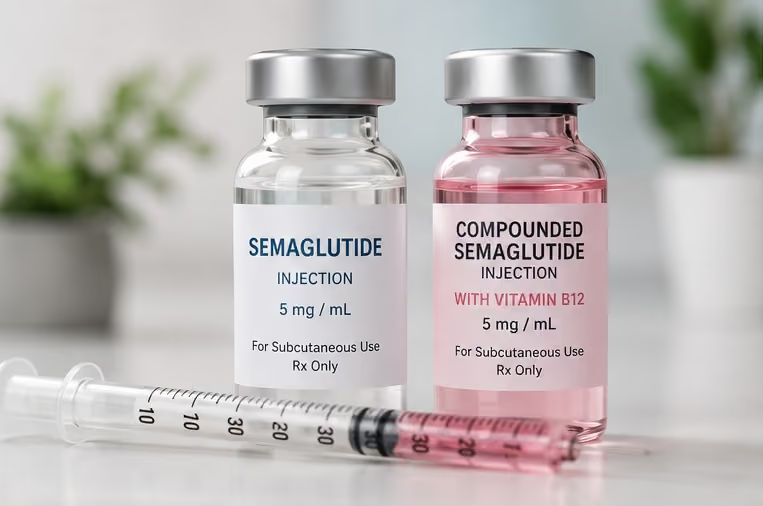
Why Some Semaglutide Looks Pink and What Patients Should Know
As demand for medical weight-loss treatments continues to rise across Seattle, Kent, Bellevue, Auburn, and surrounding Washington communities, many patients are encountering compounded GLP-1 products online and through social media.
One increasingly discussed topic is "pink semaglutide."

Common Questions Patients Ask
- Is semaglutide supposed to be pink?
- Is pink semaglutide legitimate?
- Does semaglutide contain vitamin B12?
- Are compounded GLP-1 injections safe?
At Elevate Medical Center, patients should receive accurate, transparent information before beginning any injectable weight-loss therapy.
What Is Semaglutide?
Semaglutide is a GLP-1 receptor agonist medication used for specific medical indications, including:
- Chronic weight management in eligible patients.
- Blood sugar regulation in people with type 2 diabetes, depending on the product.
- Reducing certain cardiovascular risks in eligible patients, depending on the approved product and indication.
Brand-Name Semaglutide Medications
Brand-name semaglutide medications include:
- Wegovy®
- Ozempic®
These medications are manufactured under FDA-regulated production standards and undergo FDA review for safety, effectiveness, and quality.
What Should Approved Semaglutide Look Like?
FDA-approved semaglutide injection products are generally supplied as clear, colorless solutions. Patients should follow the specific product's instructions and check the solution before use.
If an injection looks pink, cloudy, discolored, or contains unexpected particles, do not use it until you have contacted your pharmacist or healthcare provider for guidance.
So Why Is Some Semaglutide Pink?
Some compounded semaglutide formulations may appear pink or reddish because certain formulations contain additional ingredients, such as vitamin B12 (cyanocobalamin).
Vitamin B12 has a naturally red color and may change the appearance of a solution containing it. However, color alone cannot confirm which ingredients a medication contains or whether it is safe to use.
Why the Color May Change
Possible reasons include:
- Vitamin B12 or other added ingredients.
- Differences in formulation.
- Potential product quality or storage issues.
Patients should never assume that a pink solution contains vitamin B12 or that its color indicates a legitimate compounded medication. The ingredients, source, and storage conditions should be verified with the dispensing pharmacy or prescribing healthcare professional.
What Is Compounded Semaglutide?
Compounded semaglutide refers to a customized medication prepared by a licensed compounding pharmacy or another legally authorized compounder under applicable federal and state requirements.
Why Compounding May Occur
Compounding may be appropriate in certain circumstances when an individual patient's medical needs cannot be met by an FDA-approved medication, such as when a prescriber determines that a specific formulation or dosage form is medically necessary.
During previous national shortages of GLP-1 medications, certain compounding activities were permitted under specific federal conditions.
However, the FDA determined that the national shortage of semaglutide injection products was resolved in February 2025. Subsequent FDA guidance has clarified restrictions on compounding products that are essentially copies of commercially available medications.
Compounded medications are not FDA-approved products and do not undergo the same premarket review for safety, effectiveness, and quality as FDA-approved medications.
Is Pink Semaglutide FDA Approved?
No. A compounded semaglutide formulation is not FDA-approved simply because it contains semaglutide or has a particular color.
What Does FDA Oversight Mean for Compounded Products?
Unlike FDA-approved medications, compounded drugs do not undergo FDA premarket review for:
- Safety.
- Effectiveness.
- Quality and consistency.
- Purity.
- Stability.
This does not automatically mean that every compounded medication is unsafe. However, patients should understand that compounded products carry additional uncertainties and should only be used when legally permissible and medically appropriate.
Before receiving a compounded medication, patients should discuss the source, ingredients, dosing instructions, and potential risks with a qualified healthcare professional.
Why Do Some Clinics Add Vitamin B12?

Some compounders combine vitamin B12 with semaglutide in their formulations. Vitamin B12 plays important roles in normal bodily functions, including:
- Energy metabolism.
- Red blood cell production.
- Normal nerve function.
Vitamin B12 supplementation can be beneficial for people who have a deficiency or an identified nutritional need.
Important Things Patients Should Understand
- Vitamin B12 is not required for semaglutide to work.
- Pink coloration does not indicate better weight-loss results.
- All ingredients in a compounded medication should be clearly disclosed.
- The safety and effectiveness of combining semaglutide with vitamin B12 have not been established through the FDA approval process.
There is currently insufficient evidence to conclude that adding vitamin B12 to semaglutide enhances its weight-loss effects in people who do not have a B12 deficiency.
Is Pink Semaglutide Dangerous?
Not necessarily, but caution is important. The color alone cannot determine whether a medication is safe or unsafe.
Major Concerns With Unverified Products
The main concerns include:
- Unverified online sellers.
- Counterfeit or improperly stored products.
- Providers operating without appropriate authorization.
- Improper compounding practices.
- Unclear ingredients or sourcing.
- Incorrect dosing instructions.
Patients Should Avoid
- Purchasing injections from unverified social media sellers.
- Using products when the dispensing pharmacy cannot be identified.
- Relying on unusually low prices as an indicator of value or legitimacy.
- Using products with unclear ingredients or labeling.
- Receiving prescription medication without an appropriate medical evaluation.
Warning Signs of Unsafe Semaglutide Products
Patients should exercise caution if a clinic or seller:
- Cannot identify the dispensing or compounding pharmacy.
- Avoids discussing the medication's ingredients.
- Promises unrealistic weight-loss results.
- Provides unclear dosing instructions.
- Skips appropriate medical evaluations.
- Prescribes medication without adequate intake screening or follow-up.
Appropriate Medical Weight-Loss Care Should Include
- Qualified healthcare professionals.
- Individualized treatment planning.
- Clear medication and dosing instructions.
- Appropriate monitoring and follow-up.
- Education about potential side effects and warning signs.
Understanding FDA Oversight in 2026
As the availability of FDA-approved GLP-1 medications has improved, the FDA has clarified its policies on compounded semaglutide and other GLP-1 medications.
Areas of FDA Concern
These include:
- Product quality and safety.
- Dosing errors and inconsistent concentrations.
- Potential contamination.
- Use of ingredients that do not meet applicable compounding requirements.
- Compounding products that are essentially copies of commercially available medications when federal conditions do not permit it.
The FDA determined that the national semaglutide injection shortage was resolved in February 2025. In April 2026, the agency issued further guidance explaining the conditions under which compounded drugs may qualify for exemptions from certain federal requirements.
Compounding is subject to specific legal restrictions, and the fact that a pharmacy is licensed does not automatically mean every compounded formulation it produces is permissible or appropriate.
Patients should discuss available FDA-approved options with their healthcare provider before considering a compounded alternative.
Does Pink Semaglutide Work Better?
There is no established evidence that pink semaglutide works better than clear semaglutide. Color alone does not determine a medication's effectiveness.
Factors That Matter More Than Medication Color
Weight-management outcomes can be influenced by:
- Appropriate medication selection and dosing.
- Medical supervision.
- Nutrition.
- Physical activity.
- Sleep quality.
- Individual health conditions.
- Consistency with the prescribed treatment plan.
The color of a medication does not establish its potency, safety, or effectiveness.
Common Side Effects of Semaglutide
Semaglutide can cause side effects, whether it is supplied as an FDA-approved product or as a compounded formulation.
Common Side Effects
- Nausea.
- Constipation.
- Diarrhea.
- Reduced appetite.
- Vomiting.
- Abdominal discomfort.
Less Common but Serious Risks
- Gallbladder problems.
- Pancreatitis.
- Severe dehydration, particularly when persistent vomiting or diarrhea occurs.
- Potential thyroid C-cell tumor risk, reflected in the boxed warning for certain FDA-approved semaglutide products.
Patients should discuss their medical history, current medications, and potential risks with a qualified healthcare provider before starting treatment.
Seek prompt medical attention for severe or persistent abdominal pain, signs of serious dehydration, or other concerning symptoms.
Who May Be a Candidate for GLP-1 Weight-Loss Therapy?
You May Be a Candidate If You:
- Have obesity or excess body weight and meet the eligibility criteria for treatment.
- Have a weight-related health condition that may benefit from treatment.
- Have not achieved sufficient results through lifestyle changes alone.
- Meet the medical and prescribing criteria for an appropriate medication.
You May Not Be a Candidate If You:
- Are pregnant or planning to become pregnant while using a medication that is not appropriate during pregnancy.
- Have a personal or family history of medullary thyroid carcinoma or multiple endocrine neoplasia syndrome type 2 (MEN2), which are contraindications for certain FDA-approved semaglutide products.
- Have a medical condition or take medications that make treatment inappropriate.
- Have other contraindications identified during a medical evaluation.
A history of pancreatitis, severe gastrointestinal disease, and other medical conditions may require additional assessment. These factors do not all represent universal contraindications, and eligibility depends on the specific medication and individual circumstances.
A qualified healthcare provider must evaluate each patient's medical history and determine whether treatment is appropriate.
Lifestyle Habits Still Matter
GLP-1 medications are tools intended to support weight management, not replace healthy lifestyle behaviors.
Habits That Support Long-Term Results
- Balanced nutrition.
- Resistance training and regular physical activity.
- Adequate protein intake.
- Sufficient sleep.
- Sustainable eating habits.
- Ongoing medical supervision.
No injectable medication replaces the importance of foundational health habits, and individual results vary.
Schedule a Medical Weight-Loss Consultation in Kent, WA
If you are exploring medically supervised weight-loss options involving semaglutide or tirzepatide, Elevate Medical Center can help you understand your options and determine whether GLP-1 therapy may be appropriate for your health profile and goals.
Areas Served
- Kent.
- Seattle.
- Bellevue.
- Auburn.
- Renton.
- Federal Way.
- Tacoma.
- Surrounding Washington communities.
Consultations May Include
- Medical history review.
- Medication eligibility assessment.
- Body composition analysis, if appropriate.
- Lifestyle evaluation.
- Side-effect education.
- Personalized treatment planning.
- Ongoing provider monitoring.
All prescription medications require appropriate medical evaluation and provider oversight. Individual results vary, and no outcome can be guaranteed.
Contact Elevate Medical Center
Elevate Medical Center
13210 SE 240th St, Suite C1
Kent, WA 98042
Phone: (206) 829-0290
Website: https://www.elevatemedcenter.com/
Email: elevatemedicalcenter@outlook.com
To learn more about medically supervised weight-loss programs, contact Elevate Medical Center to schedule a consultation.
Medical Disclaimer
This article is intended for educational and informational purposes only and does not constitute medical advice, diagnosis, or treatment. Always consult a qualified healthcare provider regarding medications, weight-loss therapies, or medical conditions.
Wegovy® and Ozempic® are registered trademarks of their respective owners.


